Buy gfxspace.com ?
We are moving the project
gfxspace.com .
Are you interested in purchasing the domain
gfxspace.com ?
domain@kv-gmbh.de · 0541-91531010
Buy gfxspace.com ?
Is agave juice toxic?
Agave juice, also known as agave nectar or syrup, is not toxic when consumed in moderation. However, it is important to note that agave juice is high in fructose, which can have negative health effects when consumed in large amounts. Excessive consumption of agave juice can contribute to weight gain, insulin resistance, and other health issues. It is best to use agave juice sparingly and in moderation as part of a balanced diet. **
What is ecological art supplies?
Ecological art supplies are materials and tools that are made with a focus on sustainability and environmental impact. This can include products that are made from recycled or renewable materials, non-toxic and biodegradable substances, and items that are produced with minimal energy and waste. Ecological art supplies aim to minimize the negative impact on the environment and promote a more sustainable approach to creating art. This can include items such as recycled paper, non-toxic paints, and sustainable brushes and tools. **


Similar search terms for Naturgreen-Ecological-Agave-Syrape
Top-Angebote
Products related to Naturgreen-Ecological-Agave-Syrape:
-
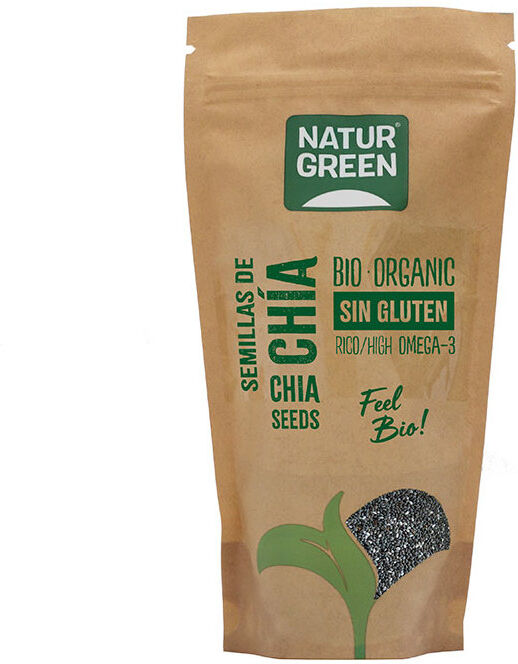
Naturgreen Ecological Chki Seeds 500gNutrition and Supplements Nuts and Seeds Naturgreen Ecological Chki Seeds 500g Naturbreen's 500g ecological chia seeds are rich in fiber and healthy fatty acids omega 3. resulting in an ideal food for chopping between hours.4,75 £*Shipping: 4,99 £Secure redirect to the provider

-
Is my agave still salvageable?
It's difficult to determine the salvageability of your agave without more information about its current condition. However, agaves are known for their resilience and ability to bounce back from damage. If the plant is showing signs of distress, such as wilting or discoloration, you can try to improve its care by ensuring it has proper sunlight, well-draining soil, and minimal watering. With the right care, there is a good chance that your agave can recover and thrive. **
-
What is the difference between ecological backpack, ecological balance, and ecological footprint?
The ecological backpack refers to the amount of natural resources and energy required to support an individual's lifestyle and consumption habits. Ecological balance refers to the state of equilibrium within an ecosystem, where the interactions between living organisms and their environment are stable and sustainable. Ecological footprint measures the impact of human activities on the environment by calculating the amount of biologically productive land and water required to sustain those activities. In summary, the ecological backpack focuses on individual consumption, ecological balance on the stability of ecosystems, and ecological footprint on the overall environmental impact of human activities. **
-
Does agave syrup taste better than honey?
The taste preference between agave syrup and honey is subjective and varies from person to person. Agave syrup is known for its mild, neutral flavor, while honey has a distinct sweet and floral taste. Some people may prefer the subtle sweetness of agave syrup, while others may enjoy the rich flavor of honey. Ultimately, the choice between the two comes down to personal preference and the specific dish or drink being prepared. **
-
In which soil do you plant an Agave?
Agave plants thrive in well-draining soil, so it is best to plant them in sandy or rocky soil with good drainage. They are also tolerant of poor soil conditions and can grow in various soil types, as long as the soil is not waterlogged. It is important to avoid planting Agave in heavy clay soil, as this can lead to root rot and other issues. Overall, planting Agave in well-draining soil will help promote healthy growth and prevent water-related problems. **


How is the ecological license for the cactus type awarded in the illustration?
The ecological license for the cactus type in the illustration is awarded based on the cactus's ability to thrive in its natural environment and its contribution to the local ecosystem. The cactus's resilience, adaptability, and role in supporting other species in the ecosystem are likely considered in the awarding of the ecological license. Additionally, factors such as the cactus's conservation status, its impact on the surrounding environment, and its potential for sustainable use may also be taken into account before awarding the ecological license. **
Which option is better: agave syrup or maple syrup?
The choice between agave syrup and maple syrup ultimately depends on personal preference and dietary needs. Agave syrup has a lower glycemic index, making it a better option for individuals monitoring their blood sugar levels. On the other hand, maple syrup contains more antioxidants and minerals, such as manganese and zinc. Both syrups can be used as natural sweeteners, so it is important to consider your health goals and taste preferences when choosing between the two. **
Top-Angebote
Products related to Naturgreen-Ecological-Agave-Syrape:
-
Naturgreen Ecological Chki Seeds 500gNutrition and Supplements Nuts and Seeds Naturgreen Ecological Chki Seeds 500g Naturbreen's 500g ecological chia seeds are rich in fiber and healthy fatty acids omega 3. resulting in an ideal food for chopping between hours.4,75 £*Shipping: 4,99 £Secure redirect to the provider
-
Is agave juice toxic?
Agave juice, also known as agave nectar or syrup, is not toxic when consumed in moderation. However, it is important to note that agave juice is high in fructose, which can have negative health effects when consumed in large amounts. Excessive consumption of agave juice can contribute to weight gain, insulin resistance, and other health issues. It is best to use agave juice sparingly and in moderation as part of a balanced diet. **
-
What is ecological art supplies?
Ecological art supplies are materials and tools that are made with a focus on sustainability and environmental impact. This can include products that are made from recycled or renewable materials, non-toxic and biodegradable substances, and items that are produced with minimal energy and waste. Ecological art supplies aim to minimize the negative impact on the environment and promote a more sustainable approach to creating art. This can include items such as recycled paper, non-toxic paints, and sustainable brushes and tools. **
-
Is my agave still salvageable?
It's difficult to determine the salvageability of your agave without more information about its current condition. However, agaves are known for their resilience and ability to bounce back from damage. If the plant is showing signs of distress, such as wilting or discoloration, you can try to improve its care by ensuring it has proper sunlight, well-draining soil, and minimal watering. With the right care, there is a good chance that your agave can recover and thrive. **
-
What is the difference between ecological backpack, ecological balance, and ecological footprint?
The ecological backpack refers to the amount of natural resources and energy required to support an individual's lifestyle and consumption habits. Ecological balance refers to the state of equilibrium within an ecosystem, where the interactions between living organisms and their environment are stable and sustainable. Ecological footprint measures the impact of human activities on the environment by calculating the amount of biologically productive land and water required to sustain those activities. In summary, the ecological backpack focuses on individual consumption, ecological balance on the stability of ecosystems, and ecological footprint on the overall environmental impact of human activities. **
Similar search terms for Naturgreen-Ecological-Agave-Syrape
-
Does agave syrup taste better than honey?
The taste preference between agave syrup and honey is subjective and varies from person to person. Agave syrup is known for its mild, neutral flavor, while honey has a distinct sweet and floral taste. Some people may prefer the subtle sweetness of agave syrup, while others may enjoy the rich flavor of honey. Ultimately, the choice between the two comes down to personal preference and the specific dish or drink being prepared. **
-
In which soil do you plant an Agave?
Agave plants thrive in well-draining soil, so it is best to plant them in sandy or rocky soil with good drainage. They are also tolerant of poor soil conditions and can grow in various soil types, as long as the soil is not waterlogged. It is important to avoid planting Agave in heavy clay soil, as this can lead to root rot and other issues. Overall, planting Agave in well-draining soil will help promote healthy growth and prevent water-related problems. **
-
How is the ecological license for the cactus type awarded in the illustration?
The ecological license for the cactus type in the illustration is awarded based on the cactus's ability to thrive in its natural environment and its contribution to the local ecosystem. The cactus's resilience, adaptability, and role in supporting other species in the ecosystem are likely considered in the awarding of the ecological license. Additionally, factors such as the cactus's conservation status, its impact on the surrounding environment, and its potential for sustainable use may also be taken into account before awarding the ecological license. **
-
Which option is better: agave syrup or maple syrup?
The choice between agave syrup and maple syrup ultimately depends on personal preference and dietary needs. Agave syrup has a lower glycemic index, making it a better option for individuals monitoring their blood sugar levels. On the other hand, maple syrup contains more antioxidants and minerals, such as manganese and zinc. Both syrups can be used as natural sweeteners, so it is important to consider your health goals and taste preferences when choosing between the two. **
* All prices are inclusive of VAT and, if applicable, plus shipping costs. The offer information is based on the details provided by the respective shop and is updated through automated processes. Real-time updates do not occur, so deviations can occur in individual cases. ** Note: Parts of this content were created by AI.